
Hello,
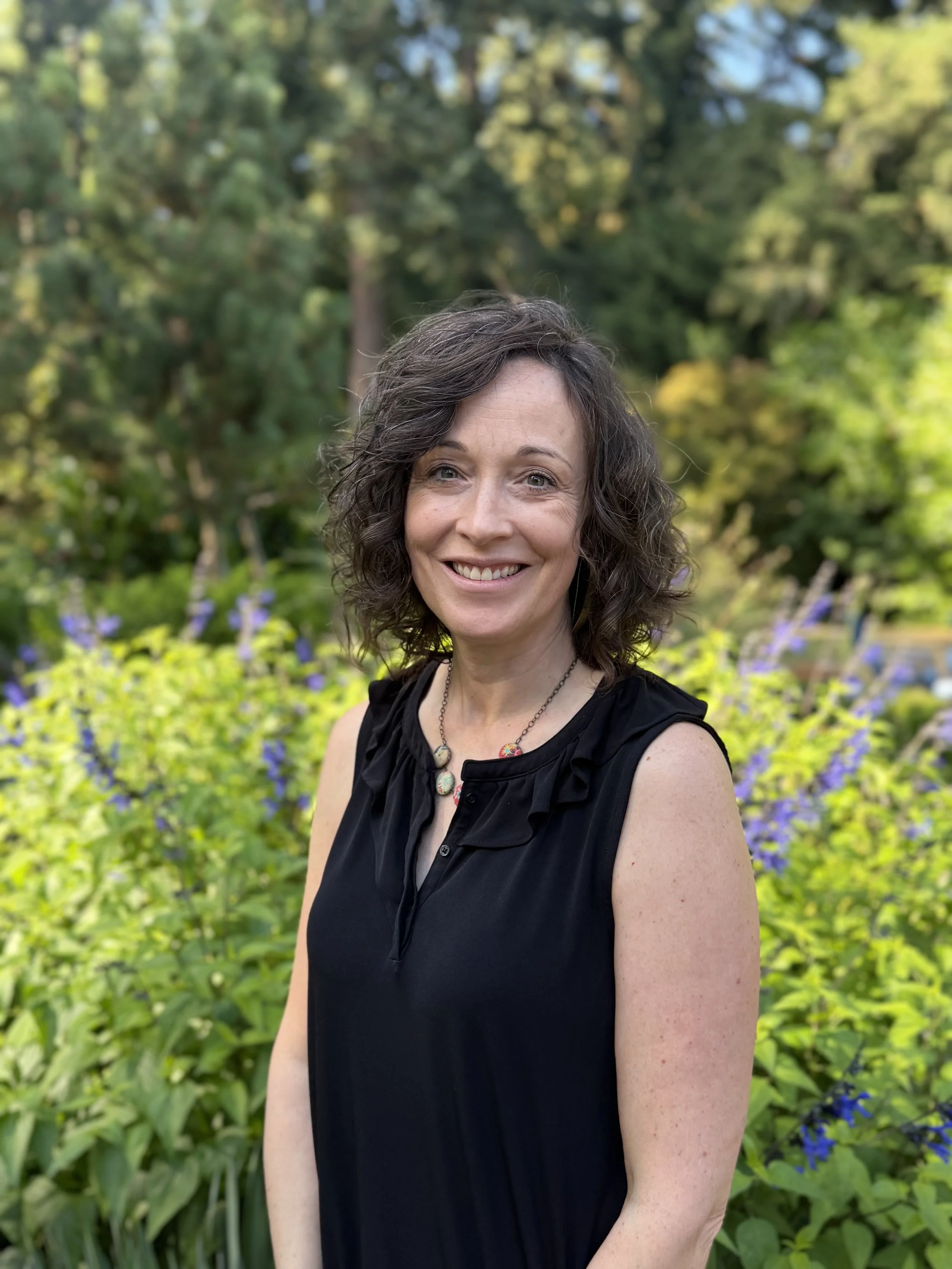
I’m Genét Friess.
Mental Health Therapist
Licensed Clinical Social Worker
She / her
There's a version of this story where I always knew I'd be a therapist. That's not the true one. The true one is messier and more interesting. A degree earned and set aside while life had other plans. Thresholds I didn't choose — illness, faith transition, the dissolution of certainties I'd built my life around — that turned out to be the most clarifying passages of my life. And years of slowly, imperfectly, learning what it sounds like when I'm telling the truth. I became a therapist not because I had it figured out. Because I didn't — and life kept going anyway. I know what it is to stand in that liminal space where the old story has ended and the new one hasn't found its shape yet. And I know that something real can be built there. If that's where you are, I'd be glad to sit with you in it.
Specialties
I work with adults who are in the middle of something significant — not a crisis necessarily, but a turning point. People who sense that the way they've been living isn't working anymore, and who are ready, even if nervously, to find out what else is possible.
Faith, spirituality, and religious experience
1
This work is as varied as the people who bring it. Some are leaving a faith tradition entirely — grieving the community, identity, and framework for meaning that went with it. Others are staying, but transforming from the inside: finding their own sovereignty within a religion, deciding for themselves what they believe and how they want to practice, without abandoning the lineage that shaped them. Still others are learning to hold a tradition's gifts alongside its wounds — healing their relationship to where they came from, while staying in loving relationship with people who are still inside a system they've outgrown.
What all of this has in common is a worldview that has been rocked to its foundation — and the expansive, difficult work of building something truer in its place. I bring both formal training in religious trauma and my own lived experience of faith transition to this work. I hold it without an agenda for where you should land.
Complex developmental and attachment trauma
2
So much of what drives us in adulthood was shaped long before we had words for it — in families that loved us imperfectly, in early experiences that taught our nervous systems what was safe and what wasn't. This isn't about blame. It's about understanding, and slowly, about choice.
Life transitions and identity work
Becoming someone your family didn't anticipate. Differentiating from people you love who can't fully see you yet. Navigating menopause and other threshold passages that ask you to release one version of yourself before the next one is clear. Supporting a child whose identity is expanding beyond what you were prepared for — and doing the inner work of expanding alongside them. These are the moments where the old maps stop working, and something more honest has to be found.
3
Medical transitions and health crises
4
A serious diagnosis changes the ground beneath you — not just physically, but in how you understand yourself, your body, your relationships, and your time. The integration work that follows a health crisis is real and often underestimated. I bring both personal experience of this and clinical care to the room.
Body-centered healing
For people who understand intellectually what happened to them but whose nervous system hasn't caught up yet. Somatic therapy and mindfulness are particularly effective for bridging that gap — helping the body release what the mind already knows, so that insight becomes change.
5
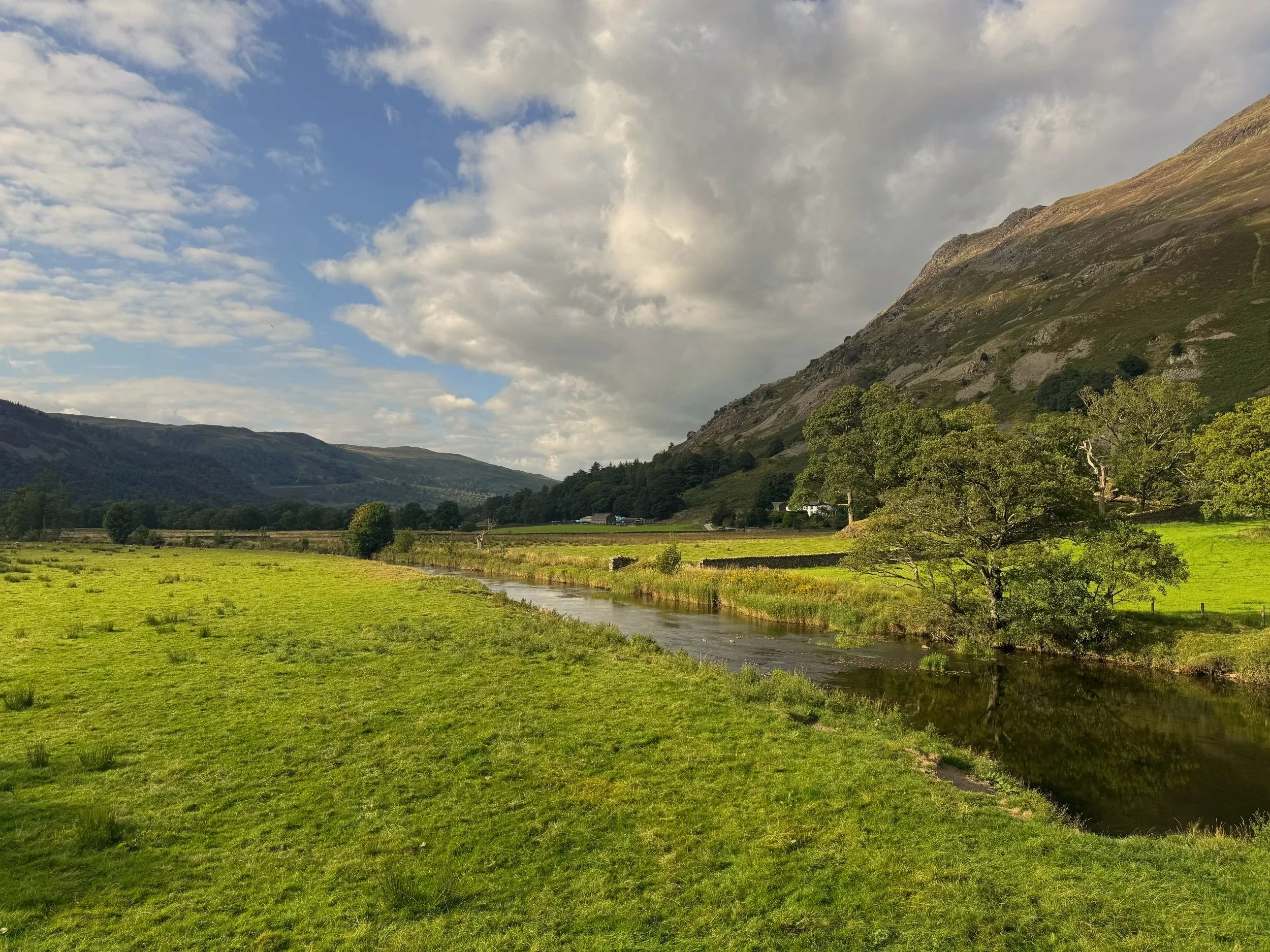
I want to acknowledge that the area where I practice occupies the ancestral and traditional lands of the Kalapuya, Clackamas, and Clowewalla Peoples, now part of the Confederated Tribes of the Grand Ronde. I recognize the painful history of genocide, forced removal, and imposed assimilation of Indigenous Peoples from this territory — injustices that have yet to be properly rectified — and honor those who were, and continue to be, stewards of these lands.
Ready to talk?
If you're interested in scheduling a free 20-minute consultation, please send me a note!